The ear canal carries sound to the eardrum. Otitis externa is the most common ear canal disorder in cats and occurs when the canal’s lining becomes inflamed. The ear flap (pinna) can also be affected. Signs include head shaking, odor, redness, swelling, scratching, increased discharge, and scaly skin. The canal might be painful or itchy. One or both ears can be involved, and signs can be sudden or long-lasting.

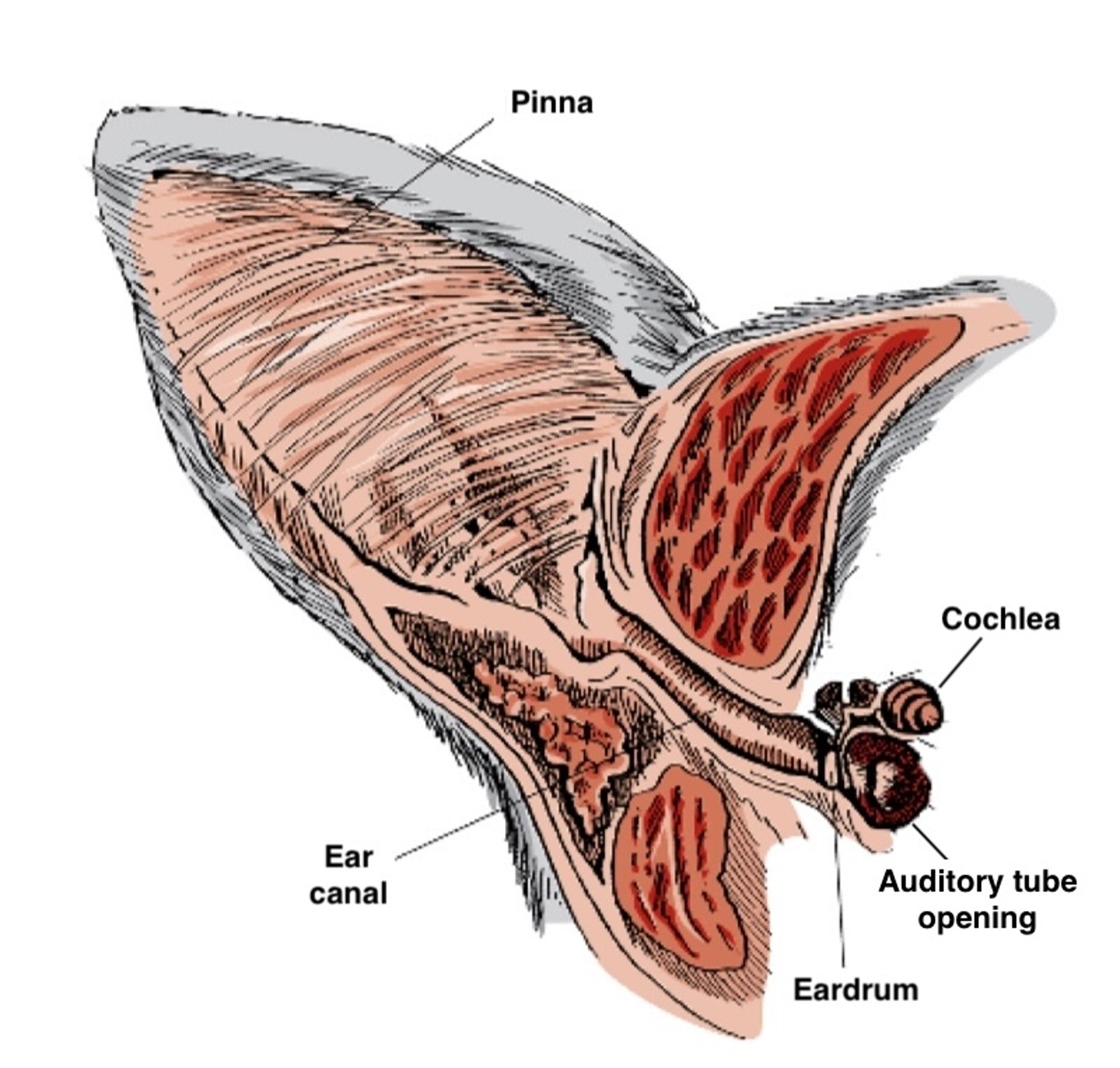
Causes include parasites, foreign objects, and allergies that directly trigger inflammation. Bacteria, yeasts, and middle ear infections can add to the problem. Identifying all factors is essential to treat the infection and keep it from coming back.
Diagnosis
A detailed history and thorough exam can suggest causes. Scratching, redness, skin changes, ear deformities, abnormal tissue growth, and head shaking point to ongoing discomfort.
Cats might need sedation or anesthesia to let the vet use an otoscope, especially if the ear is painful or blocked with discharge or the cat is uncooperative. This tool helps identify foreign objects or polyps, impacted debris, parasites, and eardrum problems. Ear swabs can be examined under a microscope to detect bacteria, yeast, or mites.
Additional tests can include allergy testing. Persistent, one-sided blockage might need a biopsy to rule out a tumor. X-rays, CT, or MRI may be needed if the middle or inner ear could be involved.
Treatment
The vet will treat underlying causes and manage pain.
Most topical ear medications combine antibiotics, antifungals, and steroids to decrease inflammation. Proper application coats the inside of the canal with a thin film.
Medication given by mouth or injection is often used for long-term canal inflammation or suspected middle ear involvement.
Ear mites are treated with antiparasitic drugs.
Discharge and wax can make topical treatments less effective, so vets may gently clean and dry the ears first. Anesthesia may be needed for proper cleaning if pets' ears are painful.
Treatment should continue until infection fully resolves. The vet will recheck your pet to ensure therapy isn't stopped too soon.
Pets shouldn't be treated with home remedies like hydrogen peroxide or vinegar. These can irritate inflamed canals and increase secretions, which promote the development of bacterial or yeast infections. Only use ear products and cleaning methods recommended by your veterinarian.
Preventive Care
Inspect your cat’s ears regularly for changes in skin temperature, color, moisture, discharge, scabs, hair loss, or other abnormalities, and schedule prompt exams if you notice changes. Unless advised otherwise by a vet, healthy cats generally don't need routine ear cleaning.